
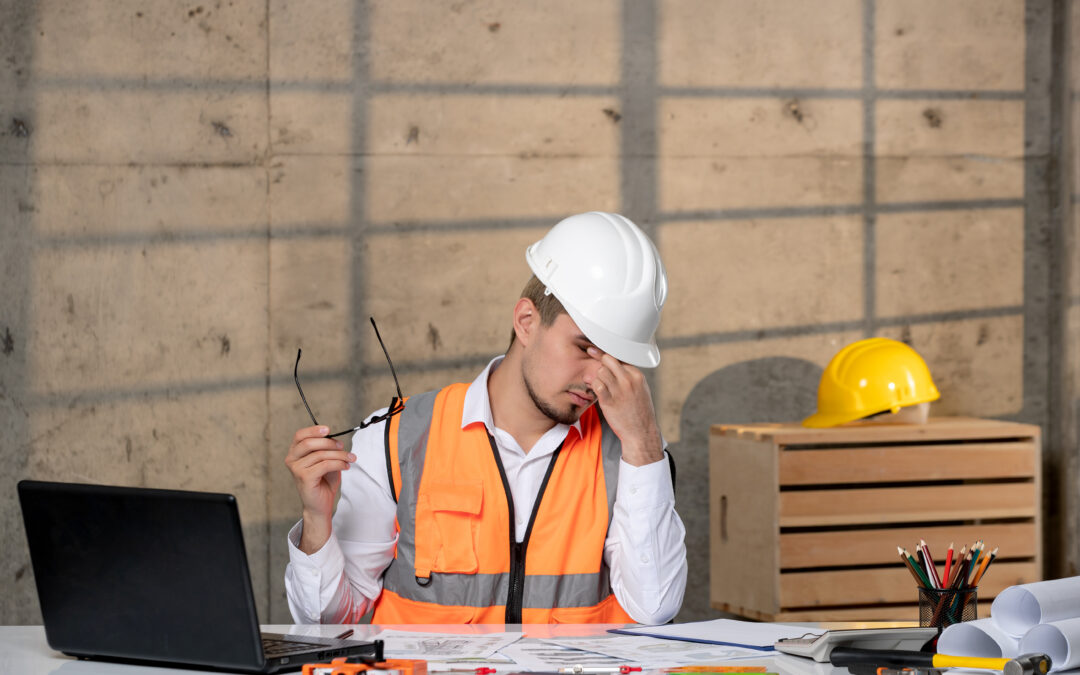
When pressure becomes part of the job
April brings Stress Awareness Month, and for those working in construction, it can feel especially relevant. It is an industry that runs on deadlines, precision, and constant movement. From early starts to tight schedules, there is often very little room to slow down and take stock.
On site, pressure can build quietly. It might be the responsibility of getting a job finished on time, the physical demands of the work, or the mental load of staying focused in an environment where safety matters every second. Over time, that pressure can turn into something heavier, something that does not switch off when the day ends.
The truth is, stress is often seen as just part of the job. Something to push through. Something to ignore. But left unchecked, it can start to affect not just work, but sleep, mood, relationships, and overall health.
Why it matters more than we think
Construction is not only physically demanding, it is mentally demanding too. There is problem solving, coordination, communication, and the constant need to stay alert. When you add long hours and unpredictable challenges, it is easy to see how stress can build up.
What makes it harder is that many people in the industry do not talk about it. There is often a culture of getting on with things, of not wanting to seem weak or unable to cope. But stress does not work like that. Ignoring it does not make it disappear, it usually makes it grow.
Stress Awareness Month is a reminder that mental wellbeing is just as important as physical safety on site. You would not ignore a visible hazard, so it should not feel normal to ignore how you are feeling either.
Recognising the signs
Stress does not always look obvious. Sometimes it shows up as tiredness that does not go away, or a short temper that feels out of character. It might be difficulty concentrating, feeling overwhelmed by tasks that would usually feel manageable, or simply losing motivation.
These are small signals, but they matter. Paying attention to them early can make a big difference.
Finding ways to manage it day to day
Managing stress does not have to mean big changes. Often, it starts with small, realistic steps that fit into daily life on site.
Taking proper breaks can make more of a difference than people realise. Even a short pause to sit and reset can help clear the mind. Staying hydrated and eating properly also plays a part, especially in physically demanding roles.
Talking helps too. Whether it is a colleague, a friend, or someone outside of work, sharing how things feel can take some of the weight off. It does not need to be a big conversation, even a simple “today was a tough one” can open the door.
Outside of work, finding time to switch off matters. That might be spending time with family, getting some fresh air, or doing something completely unrelated to the job. It is about giving your mind a chance to step away.
Creating a better culture on site
There is also a bigger picture. The more people talk about stress, the more normal it becomes to acknowledge it. That shift can change how teams support each other, making sites not just safer physically, but mentally too.
Companies like Plasline understand that delivering quality work is not just about materials and deadlines, it is about the people behind it. A strong team is one that feels supported, respected, and able to speak up when something is not right.
Looking ahead
Stress Awareness Month is not about fixing everything overnight. It is about starting conversations and noticing what often goes unnoticed. Construction will always be a demanding industry, but that does not mean stress has to be accepted as unavoidable.
If you are part of the trade, it is worth asking yourself a simple question. How am I really doing?
To learn more about Plasline’s work, values, and commitment to quality across construction projects, visit https://plasline.co.uk/
Recent Comments