
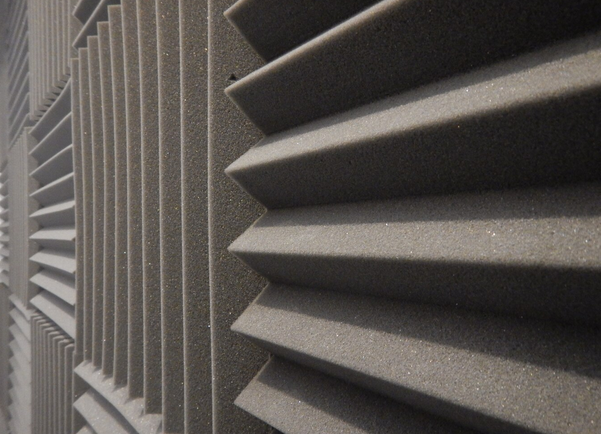
Open-plan offices have become the norm for many businesses seeking collaboration and flexibility. Yet the very design that encourages teamwork can also create distractions. Conversations float across the room, phone calls echo off hard surfaces and sudden noises can break concentration. That is where acoustic panels come in. By absorbing unwanted sound and reducing reverberation, acoustic panels transform open-plan spaces into quieter environments that support focus and productivity.
The Challenges of Open-Plan Offices
In an open-plan office employees share a common area without solid partitions. While this encourages interaction, it also means noise travels freely. Research shows that noise distractions can reduce productivity by up to 66 per cent and increase stress levels significantly. Constant interruptions make it hard to complete deep work and can lead to frustration. Employers need solutions that maintain the collaborative benefits of open layouts while minimising acoustic drawbacks.
How Acoustic Panels Work
Acoustic panels are sound-absorbing boards typically made from materials such as foam, fibre or fabric. When sound waves hit these surfaces, the energy is converted into heat, reducing the amount of reflected noise. Panels come in various thicknesses and densities to target different frequencies. Thicker panels absorb lower-frequency sounds such as office machinery hums, while thinner panels are effective at capturing higher-frequency chatter. Strategically placing acoustic panels in an office curbs overall noise levels and creates a more comfortable acoustic environment.
Benefits of Acoustic Panels in Open-Plan Offices
Installing acoustic panels delivers multiple advantages. First, it enhances concentration by lowering background noise. Employees can focus on tasks without being interrupted by distant conversations or keyboard clatter. Second, it improves speech intelligibility in meeting areas. When panels absorb excess reverberation, people can hear each other more clearly during discussions. Third, it contributes to wellness by reducing stress associated with noisy surroundings. Quieter workplaces are linked to higher job satisfaction and lower staff turnover rates. Finally, acoustic panels help control sound zoning. By grouping panels around specific areas such as telephone booths or breakout spaces, you can create quieter pockets for calls and collaborative work.
Installation and Design Tips
Choosing the right acoustic panels requires balancing function and aesthetics. Start by measuring the room’s reverberation time to determine how many panels you need. In general, covering 15 to 25 per cent of the ceiling or wall area will deliver noticeable benefits. Place panels near noise sources such as printers, coffee stations and large windows. For a professional finish, consider fabric-wrapped panels in corporate colours or printed designs that match your brand. Ceiling baffles and hanging clouds are also effective as they sit above workstations and diffuse sound before it reaches ear level. Remember to position panels at ear height for maximum efficiency.
Maintenance and Longevity
Acoustic panels require minimal upkeep. Most models are resistant to stains and dust. Occasional vacuuming or gentle dusting is usually sufficient to keep them looking fresh. Quality panels retain their shape and acoustic properties for years, making them a cost-effective investment in your office wellbeing.
Call to Action
Ready to transform your open-plan office with Acoustic Panels that boost focus and productivity? Explore our range of high-quality solutions at Plasline and create a quieter, more efficient workspace today.
Recent Comments