
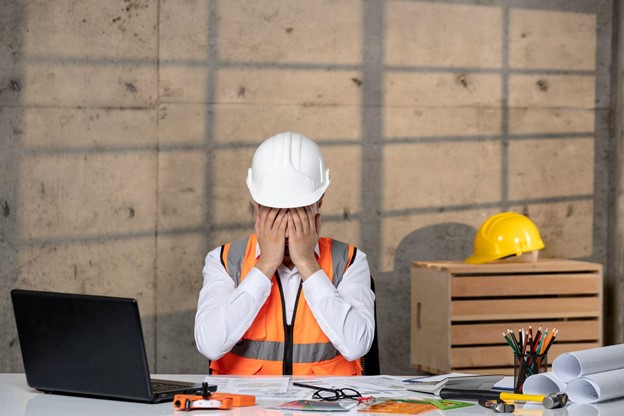
June is Men’s Mental Health Awareness Month, and it’s a good time to stop and actually think about what that means, not just share a post and move on.
Mental health conversations have come a long way. But honestly, for a lot of men, it’s still not easy to open up. There’s often this quiet pressure to just get on with it, to handle things privately, to not make a big deal out of how you’re feeling. And in industries like construction, that pressure can be even heavier.
The Real Weight Behind the Work
Construction is tough, and not just physically. Yes, the early starts, the long shifts and the hard labour take their toll. But it’s the other stuff that often goes unspoken: the stress of tight deadlines, the anxiety that comes with uncertain contracts, the financial strain of seasonal work, the feeling that you’re always on.
Most workers on a site will think nothing of stopping to make sure someone’s wearing the right PPE or flagging a safety hazard. But when it comes to how they’re actually doing mentally, that often gets pushed to the side. When those pressures stack up without any outlet or support, they don’t just disappear. They show up in other ways. In sleep. In relationships. In the way you show up to work.
And it’s worth saying clearly: mental health struggles don’t care about your experience level, your job title or how long you’ve been in the trade. They can happen to anyone.
Why Saying Something Matters
The most common reason men don’t get help is that they don’t say anything in the first place.
There’s this idea that struggling quietly is somehow stronger than asking for help. It isn’t. Reaching out, whether that’s to a mate, a family member or a professional, takes real courage. Anyone who’s done it will tell you that.
You don’t need a big, formal conversation. Sometimes it’s just checking in on someone. “You alright?” doesn’t always cut it because people say “yeah, fine” on autopilot. But “how are you actually doing lately?” lands differently. It permits people to be honest.
Watching Out for the People Around You
On a construction site, you rely on each other. That sense of looking out for your crew doesn’t have to stop when it comes to mental health.
If someone’s gone quiet, seems more irritable than usual, keeps to themselves or just doesn’t seem like themselves, that’s worth noticing. You don’t need to have a therapy session or say the perfect thing. Just letting someone know you’ve clocked it, that you’re there, that you’re not going to judge them, that genuinely matters.
Sometimes people just need to feel like someone’s paying attention.
Help Is Out There
If you’re struggling, or you’re worried about someone else, these services offer free, confidential support:
Samaritans Call: 116 123 Available 24 hours a day, every single day of the year. No referral needed, no appointment. Just call.
NHS Mental Health Support: Call 111 and select the mental health option, or head to the NHS website to find local services near you.
Building Something That Lasts
Men’s Mental Health Awareness Month isn’t just a calendar event. It’s a nudge, a reminder that the wellbeing of the people doing the work matters just as much as the work itself.
A stronger construction industry isn’t just built with better materials or smarter processes. It’s built by people who feel supported, who know they can speak up, and who don’t have to leave a part of themselves at the site gate every morning.
Every project has a team behind it. Taking care of that team, properly and not just in theory, is one of the best investments the industry can make.
Plasline: People First
At Plasline, that’s not just something we say. The people behind every project matter, on site and off it. As the industry keeps moving forward, building a culture where wellbeing is taken seriously isn’t optional. It’s essential.
Find out more about Plasline and what we do.
Recent Comments